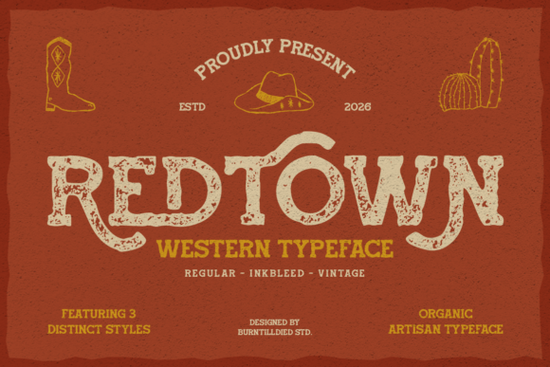
If you’ve been looking for a typeface that feels like it stepped right out of a dusty saloon or an old frontier town, Redtown Font might be exactly what your project needs. It’s got that rugged charm think weathered wood signs, vintage wanted posters, and hand-painted whiskey labels. Whether you’re designing merch for a country band, branding a BBQ joint, or making printable wall art for Etsy, this font brings personality without needing to shout.
What makes Redtown stand out is how it balances boldness with texture. You’re not just getting clean letters you’re getting character. The shapes feel handmade, slightly uneven in the best way, like they were carved into leather or stamped onto tin. And because it comes in three styles Regular, Inkbleed, and Vintage you can dial up or down the grit depending on your design’s mood.
What kinds of projects work best with Redtown?
This isn’t a font for corporate reports or minimalist tech logos. Redtown thrives where attitude matters. Think:
- Western-themed branding coffee shops, breweries, ranches, or outdoor gear stores
- Event posters rodeos, country fairs, folk festivals, or campfire gatherings
- Print-on-demand products mugs, t-shirts, tote bags, or wooden signs with rustic quotes
- Packaging hot sauce, jerky, bourbon, or handmade candles with a homespun vibe
- Social media graphics especially if you’re going for that “old-timey adventure” aesthetic
If you’re browsing other American-style slab serifs, you’ll notice Redtown doesn’t try to be sleek or modern. It leans into imperfection ink smudges, rough edges, and slight irregularities which is exactly why it feels so authentic.
How do the three styles differ?
Each version of Redtown gives you a different flavor of that western soul:
- Regular Cleanest of the bunch. Still bold and textured, but without heavy distressing. Great when you want impact without distraction.
- Inkbleed Adds subtle ink spread around the edges. Feels like it was printed on aged paper with a slightly-too-wet press. Perfect for posters or labels that need a tactile, analog feel.
- Vintage The most distressed. Worn corners, faded spots, and uneven strokes. Use this when you want something that looks like it’s survived decades in a desert sun.
You don’t have to pick just one. Layer them. Mix “Regular” for headlines with “Vintage” for subheads. Or use “Inkbleed” on packaging mockups to simulate real-world printing quirks. Flexibility like this is rare in display fonts, and it’s part of why Redtown stands out among slab serif fonts with character.
Is it easy to pair with other fonts?
Yes as long as you keep the vibe consistent. Redtown pairs well with simple sans-serifs (like Montserrat or Lato) for contrast, or handwritten scripts if you’re going full rustic. Avoid pairing it with other ornate or decorative fonts it already has plenty of personality. Let it lead, and support it with something quiet.
A quick tip: When using Redtown for logos or small text, stick to the Regular style. The distressed versions lose clarity at smaller sizes. Save Inkbleed and Vintage for headlines, banners, or large-format prints where those textures can shine.
Who is this font really for?
It’s ideal if you:
- Run a small business with a rustic, Americana, or cowboy-inspired brand
- Create printables or POD designs and want something customers haven’t seen everywhere
- Love vintage aesthetics but need something legible and professional enough for commercial use
- Want to add instant atmosphere to a design without spending hours on custom lettering
Even hobbyists will find it useful. Making birthday invites with a Wild West theme? Designing a family reunion shirt with a campfire logo? Redtown adds that nostalgic punch without needing Photoshop skills or brush pens.
Any tips before you download?
Make sure you check the licensing. Creative Fabrica usually includes commercial use, but always double-check if you’re selling physical products or using it in client work. Also, install all three styles you’ll be surprised how often you reach for the alternate versions once you start playing with them.
And if you’re exploring similar options, don’t skip browsing their collection of American-style slab serifs. You might find a companion font that works even better for secondary text or sub-brands.
Next step: Open your current project file. Try dropping in “Redtown Regular” for your main headline. See how it changes the tone. If it feels right, experiment with swapping in “Vintage” for a tagline or accent word. Sometimes the smallest tweak like switching styles is all it takes to make a design feel truly finished.
Download Now Modern Fonts for Classic American Design
 Gardenia Font: Elegant Designs for Your Projects
 Serifluxe Font: Elegant & Functional Web Typography
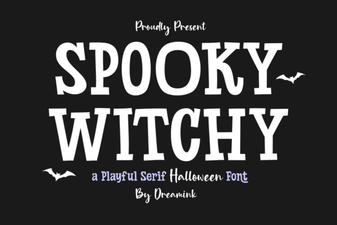 Dark Fonts for Witchy Craft & Digital Designs
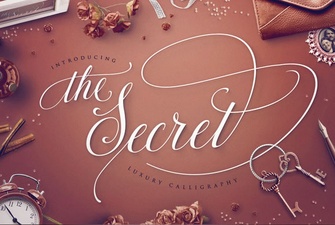 The Secret Font: a Creative Guide for Design Projects
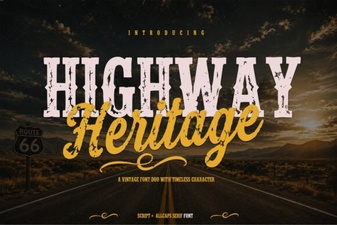 Designing Roads with Highway Heritage Font